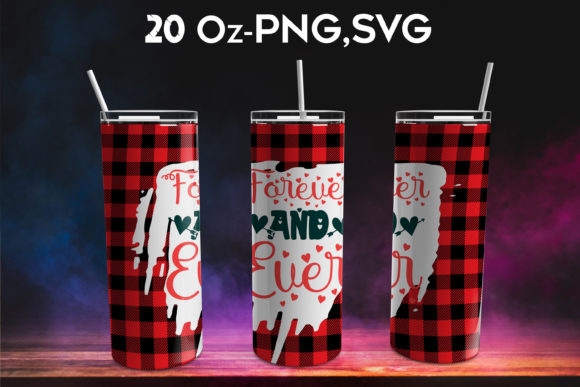
Valentine Tumbler: A Designer’s Real-World Embroidery Review
Let’s be honest—I opened Valentine Tumbler expecting something sweet, simple, and shelf-ready for February. What I found was a design with quiet confidence: clean lines, intentional negative space, and a layout that breathes. At 9.3” x 8.2”, it’s sized for a 20oz skinny tumbler, yes—but as an embroidery designer who regularly adapts digital graphics for stitched applications, I immediately saw its potential beyond the listing description. I tested it on a linen-cotton blend tea towel first, then scaled it down for a baby onesie, and finally ran it full-size on a heavyweight unstructured cap. Here’s what held up—and where you’ll want to pause before pressing “embroider.”
First Impressions: Mood, Scale, and Embroidery Readiness
The Valentine Tumbler graphic carries a gentle, modern romance—no cutesy hearts or glittery script. It leans into subtle symmetry, soft curves, and balanced weight distribution. That matters. When digitized for machine embroidery, designs with even visual mass stitch more consistently across fabric types. The SVG and 300dpi PNG files give flexibility, but remember: this is a graphics file—not a pre-digitized embroidery file. You (or your digitizer) will need to convert it. That means evaluating how those smooth vector outlines translate into satin stitch borders, fill stitch density, and running stitch underlay.
I appreciated the lack of micro-detail. No tiny stems, no overlapping fine lines, no text smaller than 10pt. That’s smart for a Print Templates asset meant for adaptation—it avoids the trap of “pretty on screen, frustrating in thread.” As a designer, I know that when a client orders a custom embroidered tote bag with this motif, they’re not buying pixels—they’re buying legibility at arm’s length, durability after washing, and charm that reads instantly.
Where Valentine Tumbler Shines (and Where It Needs Guardrails)
This design naturally elevates handmade products that balance sentiment and simplicity: aprons for bridal shower gifts, pillow covers for nursery decor, sweatshirt embroidery for small-batch boutique merch, and even embroidered patches for craft fair booths. On a medium-weight cotton sweatshirt, the scaled-down version (6.5”) stitched cleanly with minimal puckering—especially when paired with a tear-away + cutaway stabilizer combo. The curves flowed well under the needle; no jagged transitions or stitch pile-up in corners.
But here’s the real talk: avoid using Valentine Tumbler full-size on thin or highly textured fabrics without testing. I tried it on a lightweight rayon-chiffon scarf—beautiful digitally, but the fill areas bled visually once stitched due to fabric movement and low thread contrast. Likewise, on dark fabric, the original light-toned graphic doesn’t indicate recommended thread colors. Always mock it up in black and white first, then test two thread palettes: one high-contrast (e.g., white on navy), one tonal (e.g., blush on heather rose).
It also performs best on stable, flat surfaces. Curved items like caps or mugs require re-digitizing for proper stitch angle and pull compensation—don’t assume the original SVG scale translates directly. And while it’s lovely on tea towels and kitchen linens, skip dense fill-stitch versions for frequent-wash items unless you’ve confirmed stitch density stays under 12,000 stitches for longevity.
What This Means for Your Craft Business
If you’re an Etsy seller or small shop owner offering personalized gifts, Valentine Tumbler is a strong candidate for your next holiday collection—but only if you treat it as a design asset, not a plug-and-play embroidery file. Its strength lies in versatility: it works equally well as a focal point on a baby blanket or as a subtle repeat pattern along a hemline. Customers respond to its quiet intentionality—it feels handmade, not mass-produced, even before stitching begins.
That said, don’t overlook licensing. Since this is a digital embroidery file sold as a Graphics product, confirm whether your intended use (e.g., selling finished embroidered sweatshirts on your own site) falls within the seller’s terms. Many designers restrict commercial redistribution of the digital file itself—but allow unlimited stitched products. When in doubt, reach out. Clarity now prevents brand trust issues later.
Practical Designer Notes Before You Stitch
- Always test on scrap fabric first—especially if using stretchy, napped, or dark substrates.
- Check thread color contrast against both light and dark backgrounds before finalizing your palette.
- Review stitch density in your embroidery software—look for overfilled zones that could cause stiffness or cracking.
- Confirm hoop size compatibility: 9.3” x 8.2” fits most 10” hoops, but verify clearance for your specific machine and frame.
- Inspect small details manually—even if the graphic looks crisp, tiny loops or tight curves may need simplification for reliable stitching.
- Use proper stabilizer: medium-weight cutaway for knits, tear-away for stable wovens, and fusible for lightweight linens.
- Test on black and white mockups to assess value contrast before committing to thread.
- Verify commercial use rights before listing finished embroidered items for sale—especially on platforms like Etsy or Amazon Handmade.
In short: Valentine Tumbler isn’t flashy—but it’s thoughtful. It’s the kind of design that makes your embroidered patch look intentional, your custom apparel feel curated, and your holiday gift stand out on a crowded shelf. It rewards attention to detail and respects the craft behind every stitch. Use it with care, adapt it with purpose, and let its quiet warmth do the talking.